


- Laser Hair Removal provides an overall reduction in unwanted hair growth.
- Consultation and free patch test with an expert laser skin practitioner
- Visible results over time with minimal downtime
What’s on this page
- About this Treatment
- What to Expect
- FAQs
- Our Clinics
- Patient Stories
- Why the Private Clinic
- Meet the Experts
Medically reviewed by Lorcan Sheppard BSc MBBS FRCA, Chief Medical Officer for The Private Clinic.
Last Reviewed May 28th 2024
Related Treatments
Laser Hair Removal
On average, we can spend £12,000 in a lifetime on regular shaving and hair removal products. The good news is there is a safe and effective way of getting rid of unwanted hair for good – Laser Hair Removal.
Here at The Private Clinic, our qualified therapists carry out close to 500 hair removal treatments a month – that’s nearly 5,000 Laser Hair Removal treatments a year, making us one of the UK’s best and most experienced laser hair removal clinics offering permanent hair reduction on areas such as upper lip, underarms, legs, bikini line, chest and back to name a few.
Many clinics are reluctant to treat Asian or darker skin because of the specific skills and technology required as well as the risks of burns and hyper-pigmentation, however, the experience of our practitioners combined with the technology we use means this is not a problem for us. Find out more here.
Here at The Private Clinic, we are also able to help reduce the symptoms of PCOS (Polycystic ovary syndrome) to find out more click here.
We only use effective technologies, and to ensure safe, effective results, we always test your suitability for any of our laser treatments. Our systematic grid approach to your laser hair removal treatment ensures that we tackle every inch of the area being treated.
Laser Hair Removal at a glance

Procedure Time
10 – 60 mins

Downtime
24 hours

Final Results
After last treatment

No. of Treatments
6 – 9 Treatments

Results Last
3 – 6 months
We are the UK’s leading non-invasive cosmetic group and have some of the most experienced nurses and laser practitioners in the country working with us. For over 40 years we have successfully treated thousands of patients. By coming to us for your hair removal treatment you can rest assured you are in the best possible hands and that you will get the results you were hoping for.
Ask us a question
What to Expect
Laser Hair Removal Treatment
Our laser treatment courses successfully remove hair from:
- The upper lip, chin, beard and jaw line
- Underarms and arms
- Legs and bikini line
- Back and shoulders
- Chest and abdomen
- Nose, neck and ears
Laser Hair Removal Treatments are suitable for both men and women of all skin types, including dark skin.
We only use Laser Hair Removal, not IPL Hair Removal.
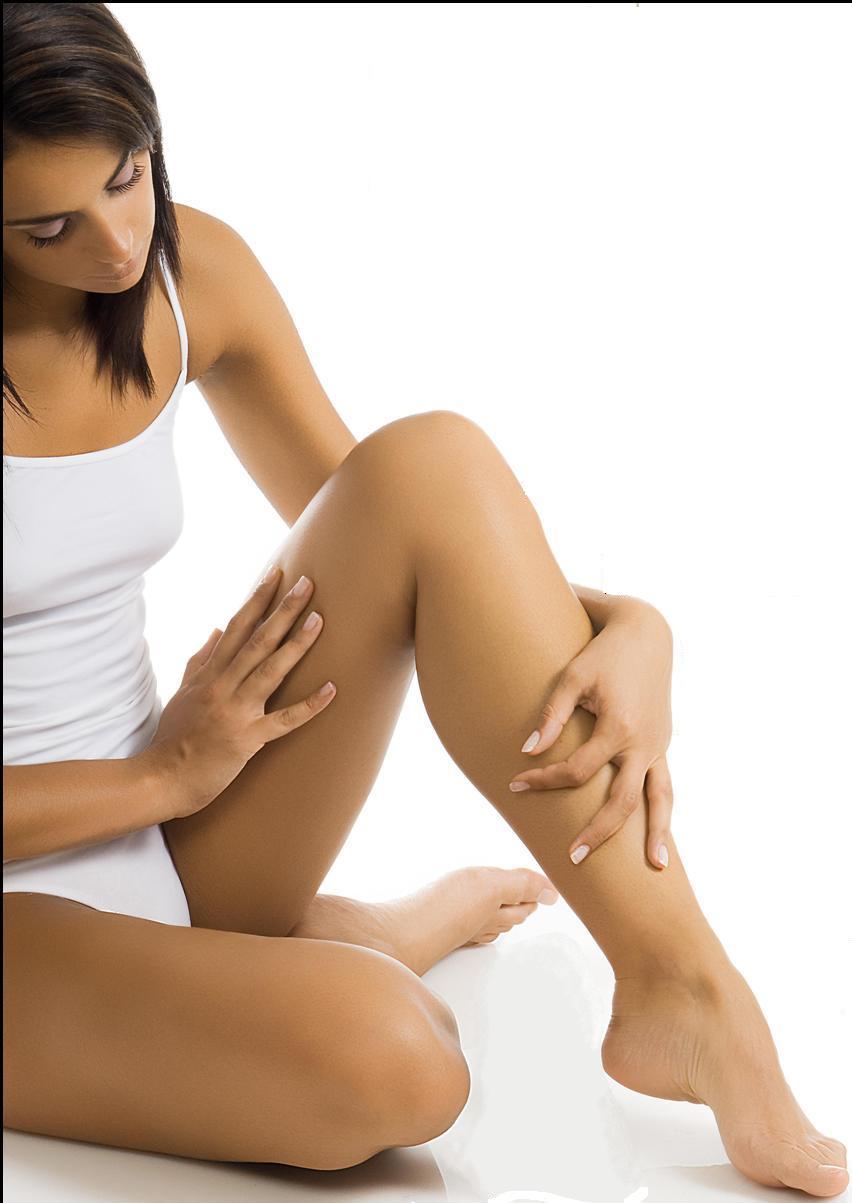
After Your Laser Hair Removal Treatment
There’s no downtime with laser hair removal, you can get back to normal activities straight away. The areas treated may feel a little tender and redness may be visible but this should subside in the hours following treatment.
The result is no more hair, the results from Laser Hair Removal can be life changing.
A course of treatment is required to achieve the best results but once complete you will notice a signification reduction in hair growth in the treated areas with smoother skin. During the course of treatment you will also notice that your hair will appear softer, finer and lighter in colour.
Laser hair removal can help bring out a confident new you.

Frequently Asked Questions
Our laser systems feature innovative cooling elements to ensure the procedure is as comfortable as possible. Pain levels will vary from patient to patient and can also depend on the thickness of the skin in the area being treated.
Patients may experience slight discomfort during treatment and this is often described as a feeling similar to a rubber band snapping against the skin. The majority of patients manage to undergo treatment without too much discomfort, and the impressive results far outweigh any negatives.
Some areas of skin are more sensitive than others such as the armpits and bikini line in comparison to the arms and legs.
There is often some discomfort after laser hair removal treatment, but this is only a short-term symptom
This will depend on the size of the area to be treated, but may be as little as 10 to 15 minutes to remove small amounts of fine hair on the upper lip. Most areas will need about 6 sessions for optimum results. We will be able to give you a clear idea of how many sessions you will need after your consultation.
We are the UK’s leading non-invasive cosmetic group and have some of the most experienced nurses and laser practitioners in the country working with us. For over 40 years we have successfully treated thousands of patients.
By coming to us for your hair removal treatment you can rest assured you are in the best possible hands and that you will get the results you were hoping for.
We don’t believe in hidden costs or unfair price deals.
Consultation and free patch test with an expert laser skin therapist.
We treat all genders and skin types including asian or darker skin.
Our systematic grid approach to your laser hair removal treatment ensures that we tackle every inch of the area being treated.
We do not use IPL as a Laser Hair Removal option.
We afford all our patients the right care well before, during and after every treatment.
You will only be treated by professional and highly experienced laser skin therapists.
Our aftercare promise – you can call, email and visit us to discuss how we tailor-make each procedure and offer ethical and professional aftercare for every patient.
We are contactable 24/7, 365 days a year for patients
We are competitively priced for the expertise and professionalism we provide every patient.
Adverse reactions are very rare. In fact laser hair removal is a very safe procedure when carried out by professionals with years of experience in this field. We use the most modern technologies, and we are registered with the Care Quality Commission, ensuring that we continue to comply with the highest industry standards.
If you have got a tan or your skin has reacted to something then you must let your practitioner know as it can increase your risks of adverse side effects such as pigmentation changes.
At The Private Clinic, we do not perform any laser treatments on tanned skin. Sun exposure should be avoided whilst you are having laser treatments.
We also advise that you do not use any type of fake tan, spray tan or gradual tanning cream before your laser hair removal session.
Your laser specialists will be able to discuss this in more detail and analyse your skin at your consultation.
laser hair removal is Available in these Clinics


Patient Stories
Outstanding care, patient satisfaction and results mean everything to The Private Clinic Team
Our reputation for excellent care is second to none. See what some of our patients have had to say about our laser hair removal procedures.

Laser Hair Removal – Aurelie
Why Choose The Private Clinic
- Expert medical practitioners with years of experience.
- State of the art medical facilities, all registered by the CQC (Care Quality Commission).
- Our innovative treatment choice means you will be offered the most advanced minimally invasive treatment options.
- When it comes to non-surgical treatments we always strive to give you little to no downtime, so you can get back to enjoying life.

Meet our Medical Experts
At The Private Clinic, you will be treated by a registered, experienced practitioner, using the highest quality of approved products and devices.

AESTHETIC PRACTITIONER & LASER THERAPIST
Birmingham

SENIOR SKIN PRACTITIONER & GROUP TRAINER
Northampton

SPECIALIST AESTHETICS & DERMATOLOGY NURSE PRACTITIONER
RGN, BSc (Hons), Independent Nurse Prescriber
NMC Number: 92A1045E
London